
New
75cl
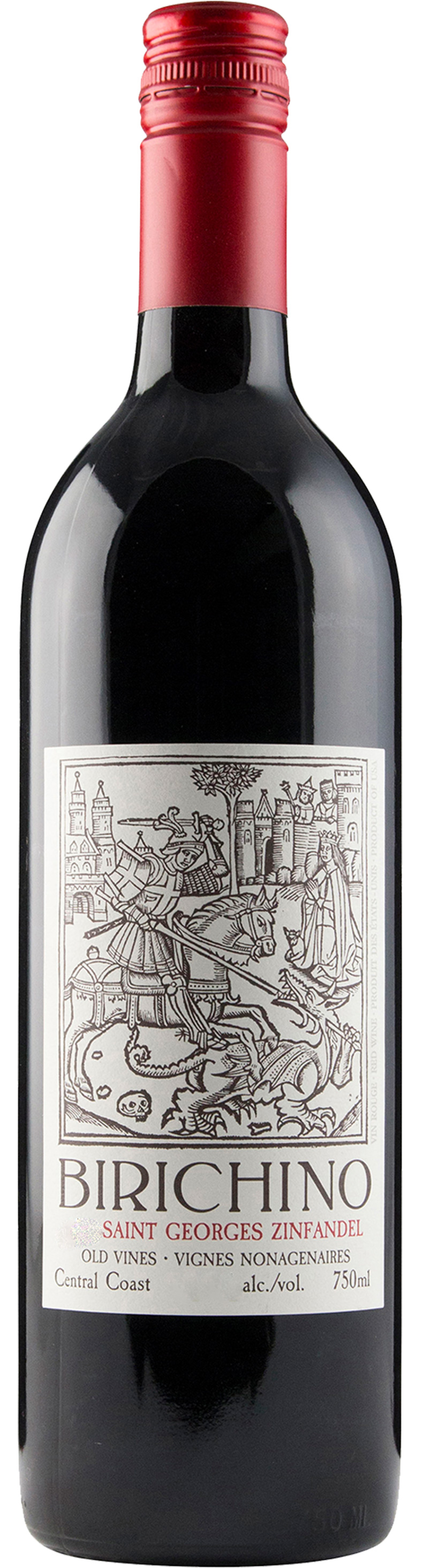
Saint Georges Vineyard Old Vines Zinfandel 2019 Birichino
Vendor code : 308
Birichino are wines that can be attributed to the Californian New Wave. Located in Lime Kiln Valley, this small appellation, little known and secluded, contains vines dating back to 1895. The red wines are vinified with whole bunches and local yeasts in stainless steel tanks, and bottled without clarification or filtration.
Color
Red
Fortress
14%
Country
USA
Region
California
Grape
Zinfandel
Producer
Birichino
Vintage
2019
The Saint Georges Vineyard is located in the Santa Cruz Mountains, a region known for its cool climate and diverse terroir. The vineyard was planted in 1922. The style of this wine is a classic expression of the Santa Cruz Mountains Zinfandel, with a focus on balance and elegance. The wine is native fermented and aged in a neutral barrel. The wine has a rich and concentrated flavor profile, with ripe fruit flavors of blackberry, plum, and a touch of spice. The tannins are firm and well-structured, giving the wine a long and satisfying finish. It is an excellent choice for those who appreciate full-bodied and complex red wines.
Alex and John, known as the owners of Birichino, deal with time-honored family vineyards in California that have been in operation for generations. These vineyards produce wines that are truly unique and cannot be found elsewhere in the state. Alex acknowledges that he depends on the goodwill of the families who own these vineyards to cultivate the grapes essential for crafting their vibrant Birichino wines. These families, with roots in France, Portugal, and Italy, trace their lineage to immigrants who arrived in California during the late 1800s or early 1900s and established vineyards. The Malvasia Bianca grape, which served as the foundation for Birichino, is an ancient variety and is said to have been brought to California as a cutting by one of these families, carried in the suitcase of a grandfather arriving from Italy. Located in California's mountainous regions, these vineyards benefit from a rich terroir composed of layers of granite, limestone, and clay. This terroir contributes to the depth and complexity of flavors found in Birichino wines. The struggle of the vines to thrive in the rocky soil plays a pivotal role in shaping the unique characteristics of the wines. For instance, they harvest Malvasia grapes from the Salinas Valley at 2:00 a.m., when the grapes reach their peak acidity due to cooler temperatures. When producing their Vin Gris rosé, they select specific grape varieties like Grenache and Cinsault, cultivated explicitly for rosé production, rather than using leftover juice from other wine processes. Their winemaking process involves gentle pressing, and their white wines undergo extended fermentation at low temperatures. They utilize stainless steel or neutral barrels for this purpose. Notably, they abstain from filtering their red wines.
Reviews from critics
0/100
0 points
95-100
0
90-94
0
85-89
0
80-84
0
75-79
0
0-74
0
No reviews yet