
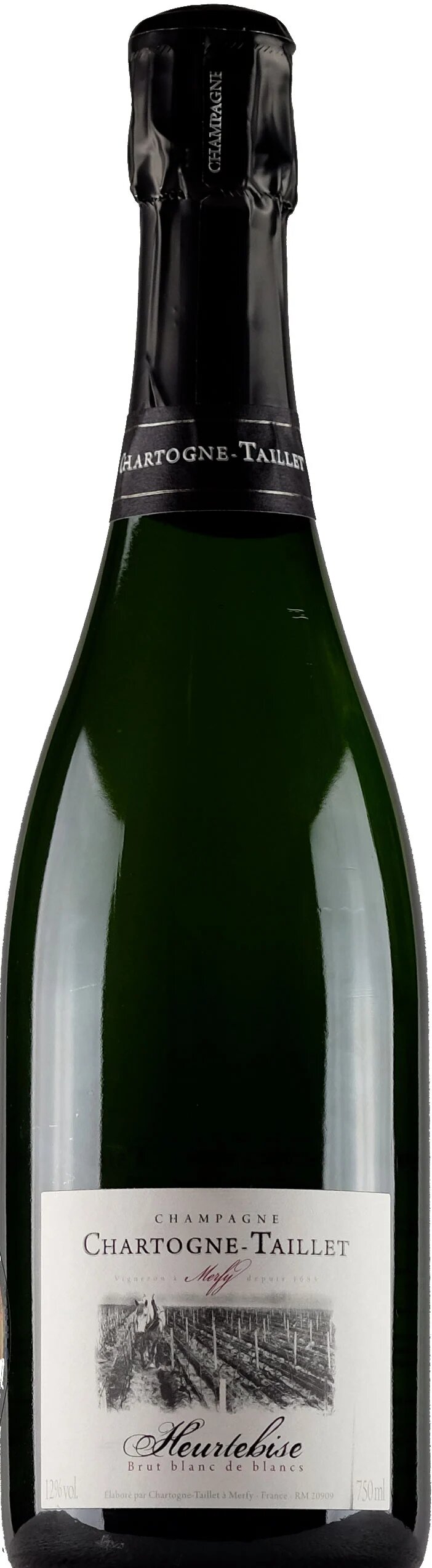
75cl
Champagne Chartogne-Taillet Heurtebise Blanc de Blancs Brut 2018
Vendor code : 748
Situated in the center of Merfy village, Chartogne-Taillet has been 100% family-owned and passed down through generations since 1870. Alexandre Chartogne worked with Anselme Selosse, who greatly influenced his approach to viticulture, though their winemaking styles are markedly different. Following artisanal methods and practices that closely align with biodynamic principles, Alexandre Chartogne focuses on site-specific Champagne production. The estate deliberately limits its production to ensure consistent quality year after year, using grapes from selected harvests and aging the wines for a minimum of three years in the cellar.
Color
White
Fortress
12%
Country
France
Grape
Chardonnay
Region
Champagne
Vintage
2018
Producer
Champagne Chartogne-Taillet
Not available
Champagne Chartogne-Taillet Heurtebise Blanc de Blancs Brut 2018: The dosage is 4 grams per liter, with degorgement in April 2023. Heurtebise is a site in the village of Merfy, where particularly low-yielding Chardonnay vines are grown on poor, sandy soils. The Champagne was aged for 18 months in 228-liter barrels. This wine is thunderous in every sense, featuring a mineral-driven profile with bright notes of dried flowers, nuts, sage, and spices, all merging with citrus freshness. As it sits in the glass, its intense saltiness becomes more pronounced. It is recommended to drink between 2024 and 2036.
The Heurtebise vineyard is situated on sandy soil, which is less permeable than neighboring chalk or tuff soils. This impacts the vines, which must adapt to both excess water and drought. As the name suggests, Heurtebise is located on a windy plateau, and the winemaker’s task is to adjust the plants' response to varying climatic conditions. In years with high humidity, Chartogne-Taillet prefers to keep the foliage high and well-aerated, allowing the vines to draw more water from the soil through evaporation, aided by the wind. Grass also plays a crucial role in limiting the availability of nutrients to the vines. Conversely, in dry years, the foliage is cut lower to reduce rapid water absorption from the soil. Although the site is on a gentle slope, full tillage (both between and under the rows) may be necessary to draw water from the subsoil when needed.
Reviews from critics
96/100
1 points
95-100
1
90-94
0
85-89
0
80-84
0
75-79
0
0-74
0
Vinous
Chartogne's 2018 Extra-Brut Heurtebise is fascinating to taste after the Chemin de Reims as it shows a decidedly more mineral profile while also conveying tons of savory Chardonnay character. Dried flowers, chamomile, spice, almond and sage meld into a core of citrus fruit in this sizzling yet dense Champagne. A bit of patience is essential. There is an airy, ethereal quality here that is absolutely compelling. Time in the glass allows the wine’s intense salinity and vibrancy to really come alive. This is a tremendous showing. I would love to own the 2018, let's leave it at that! Dosage is 4 grams per liter. Disgorged: April 2023. - Antonio Galloni on November 2023.
Not available