
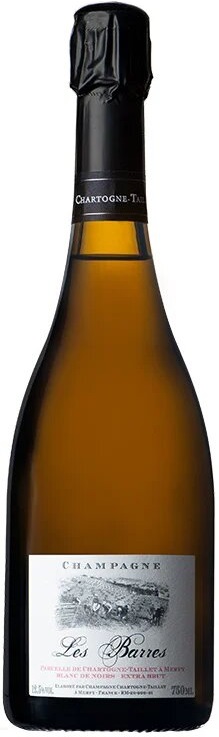
75cl
Champagne Chartogne-Taillet Les Barres Blanc de Noirs Extra Brut 2018
Vendor code : 747
Chartogne-Taillet Les Barres is a terroir-driven Champagne with a unique approach to winemaking. Wines made from the Pinot Meunier varietal are often distinguished by their impressive texture and flavor, which reflect the terroir. Chartogne-Taillet Les Barres is matured in 228-liter barrels, promoting a high rate of oxygen exchange. This process aids in the mineralization of the wine, gradually transforming the varietal's fruit aromas into characteristics that express the terroir. From the moment of fermentation until around March, the barrels are not topped up to encourage mineralization. Protected under a veil, the wine develops its distinctive salty profile while being shielded from oxygen.
Color
White
Fortress
12.5%
Country
France
Region
Champagne
Grape
Pinot Meunier
Vintage
2018
Producer
Champagne Chartogne-Taillet
Not available
Champagne Chartogne-Taillet Les Barres Blanc de Noirs Extra Brut 2018: The dosage is 3.5 grams per liter, with dégorgement in February 2023. Made from 100% Pinot Meunier vines planted in 1952, this is one of the finest cuvées in the Chartogne-Taillet portfolio. The aroma presents notes of lemon, aromatic bitters, orange zest, dried white flowers, buttery pastry, and spices. The texture of Les Barres wines evolves over time. In the early stages of maturation, the wines are enveloping, almost 'sticky'—reminiscent of grape skins. As they age, the structure becomes finer and more elongated, with mineral and salty nuances emerging. The wine eventually reveals itself as supple, creamy, and full-bodied. It is recommended to drink between 2024 and 2033.
The Les Barres vineyard is located on the best-drained soils in the village. The sandy soils have protected the vines from phylloxera, allowing Chartogne-Taillet to preserve ungrafted Pinot Meunier vines and establish a new plantation of Chardonnay (pieds francs). These soils require minimal intervention from the viticulturist. The sand is easily compacted, and the soil is too shallow for ploughing. As a result, tillage is kept to a minimum (until winter), after which the grass is left in place to preserve the soil's structure and bearing capacity. Grass is cut exclusively by hand to limit compaction, and the vines are pruned to ensure proper sap distribution, promoting long-term vine health. The presence of various natural grasses also serves as an indicator of soil health and condition.
Reviews from critics
95/100
1 points
95-100
1
90-94
0
85-89
0
80-84
0
75-79
0
0-74
0
Vinous
The 2018 Extra-Brut Les Barres, 100% Meunier from own-rooted vines planted in 1952, opens with the most exquisite aromatics imaginable. This is elegance in Meunier personified. Orange peel, hazelnut, tropical flowers and a hint of spice all waft across the palate in a Champagne of magnificent purity and sheer beauty. There is a touch of oak, but it works quite well in complementing the natural savory/nutty character of Meunier. Bright, effusive notes extend the finish effortlessly. Les Barres is a fine effort, especially for the year. Dosage is 3.5 grams per liter. Disgorged: February 2023. By Antonio Galloni on November 2023.
Not available